


Short and straight
Fermentation makes food last. It’s a process we can steer with salt, time, and temperature.
From the first beer brewed in prehistoric caves to today’s sourdough bread, fermentation is a global cultural principle that’s fed people for thousands of years.
What used to be a survival strategy has become a tool against food waste in an age of convenience food.
What looks like kitchen magic is really controlled microbe work: cabbage turns into sauerkraut, flour into sourdough, wine into vinegar.
Fermenting is the return of the pantry kitchen — and the rediscovery of a flavor that’s been around for millennia.
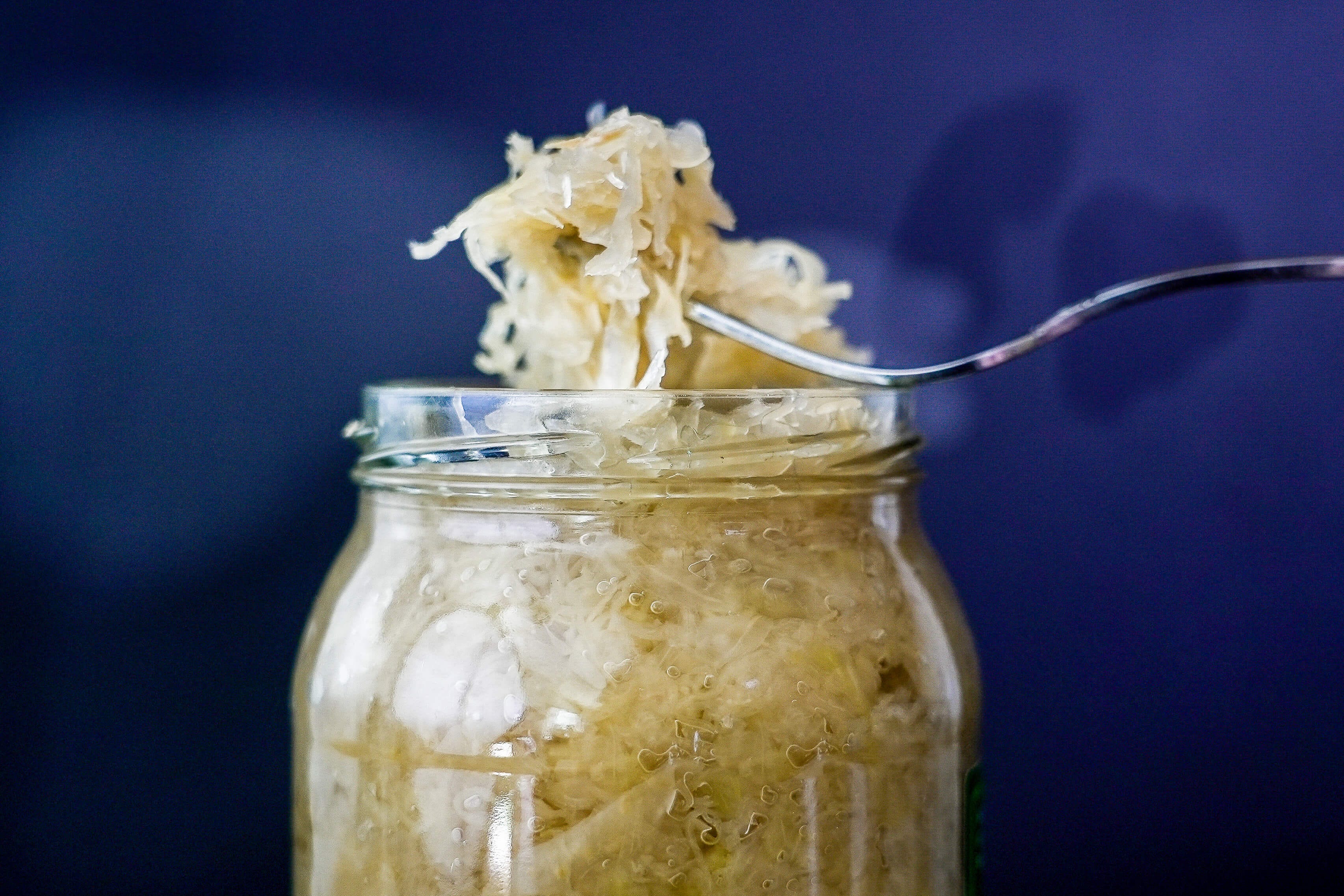
I twist open the one-liter jar. There’s a brief resistance, then the seal gives way. Pffft. Not a pop — more like a dry breath. As if the jar had been holdin’ its breath and was finally allowed to let it out. At the same moment, tiny bubbles rise up from the bottom.
What’s in the jar now is sauerkraut — no longer white cabbage — grown in the nearby Guerbetal Valley.
The Guerbetal Valley is located a few miles south of Bern — Switzerland’s teeny-tiny little capital, bless its heart. So small, in fact, you can stroll from the main train station to Parliament, or down to the river swimmin’ hole, in about five minutes flat — if you don’t stop for coffee on the way.
How to receive only the English-language newsletter.
Here, I’ll show you — plain and simple.
On those peat-rich soils in the Guerbetal Valley, farmers have been growin’ cabbage for centuries, turnin’ it into sauerkraut the old way.
The smell fills my nose, then the kitchen: tart, bright, lively. Not rotten, not musty — clean. Like a freshly cut apple with a squeeze of lemon, only earthier.
Behind that comes somethin’ warm and bread-like, almost like sourdough slowly risin’. And way in the back, a note that calls up a cellar — damp stone and shelves lined with jars.
Still holdin’ the lid, I hear a faint crackle, a quiet kind of work that can’t be seen anymore but sure hasn’t stopped. I tilt the jar slightly, watch the brine climb the edge — and that’s when it clicks: fermentation, at its core, ain’t magic. It’s a process you can steer.
What I’m experiencin’ openin’ this jar of sauerkraut is ancient — we’ve just forgotten how to read it.
Fermentation is low-tech — not backward
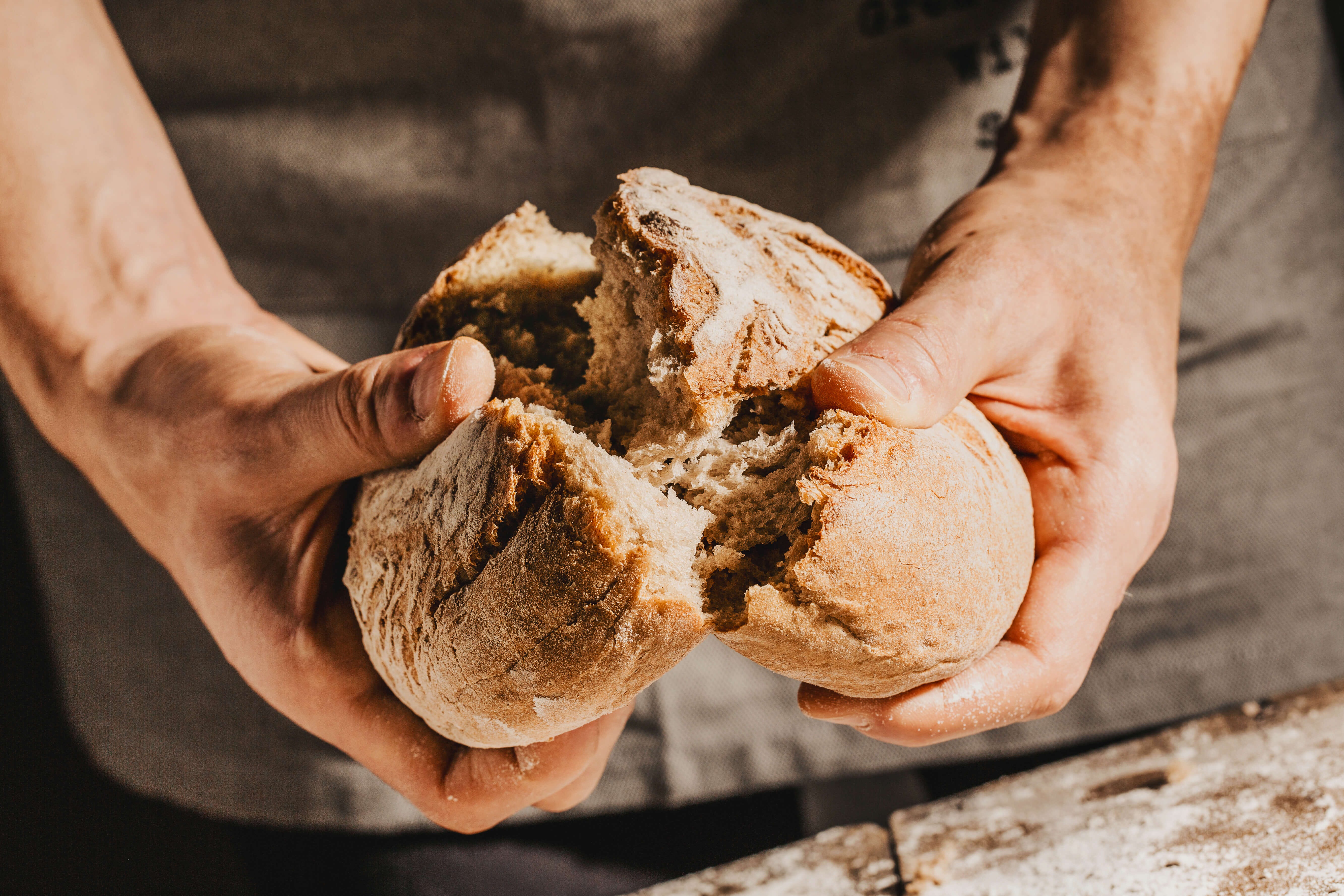
On the kitchen table sit three things that don’t seem to belong together: a jar of sauerkraut, a loaf of freshly baked sourdough, and a bottle of vinegar. All three are born of fermentation — controlled microbial transformation.
I smell the sauerkraut again: sour, clean, alive.
I crack the crust of the sourdough loaf: a sharp tear, warm aroma, a crumb that’s not just airy but complex.
The vinegar sets the final note: sharp, steady, concentrated.
Three foods, three paths, one principle. Microorganisms and enzymes break things down and rebuild them: sugars turn into acids, gases, alcohol, aroma compounds. The result is shelf life, flavor, and structure.
Fermenting is low-tech, but it ain’t outdated. It’s a kitchen skill that feels downright futuristic in a world of factory food.
Why we’re rediscoverin’ a near-forgotten craft
Fermentation is the return of the pantry kitchen. Not nostalgia — logic. When our ancestors harvested, they had more food than they could eat in a few days. If they didn’t want to go hungry come winter, they had to preserve it.
Long before refrigerators and supermarkets promised “always available,” fermentation was the answer to spoilage. It wasn’t a lifestyle choice — it was survival.
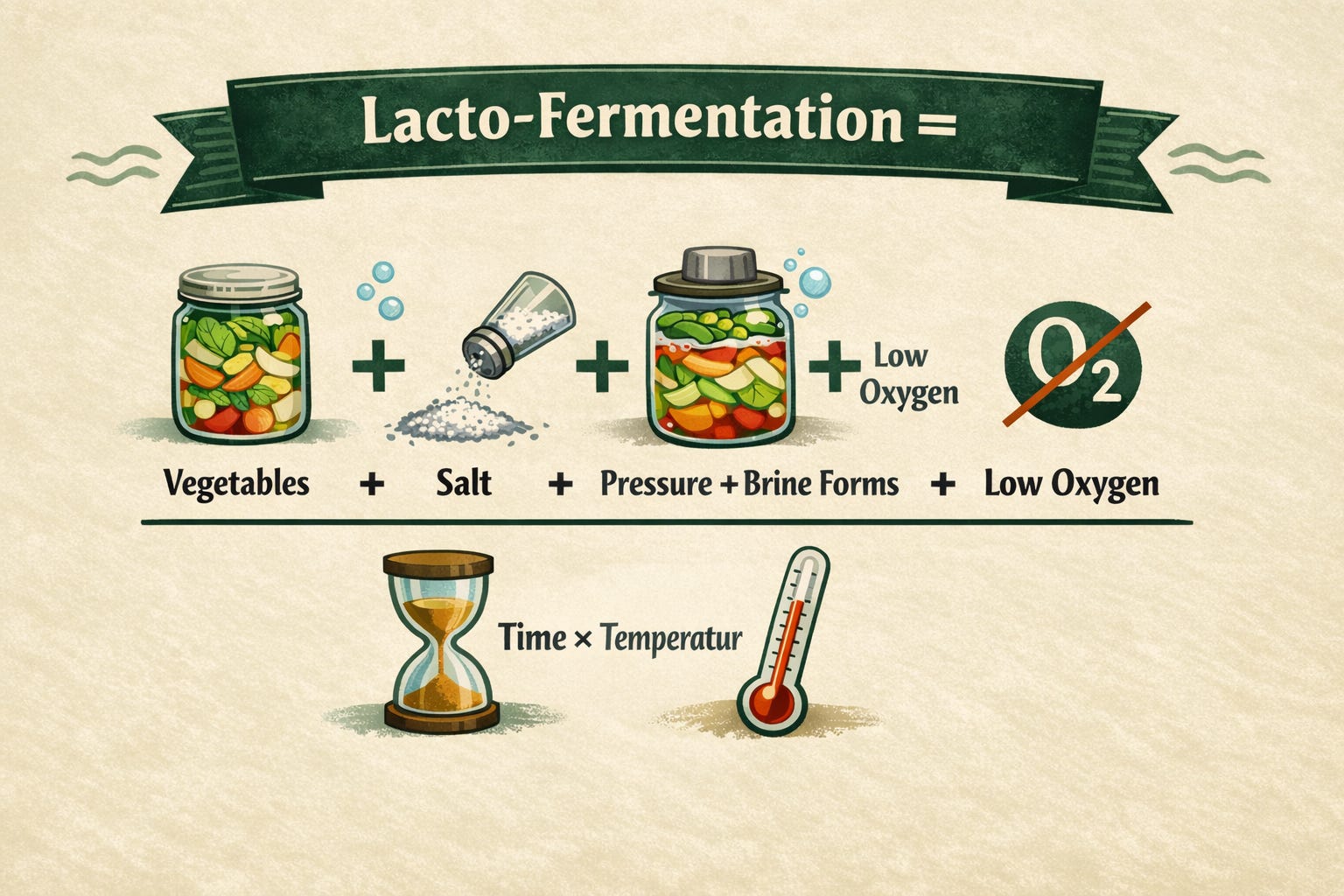
That’s exactly what’s happenin’ in my jar. Fresh cabbage turns into sauerkraut that keeps. Not because it’s sterilized, but because I created conditions where the right microbes could win out. An infographic for the chemists and math folks among us — the ones who like their cooking explained with formulas.
When we ferment, we’re not preservin’ against nature — we’re preservin’ with it. The acid that forms isn’t just flavor, it’s protection. Texture changes too: cabbage gets crisper, cucumbers snap back, everything feels more awake on the tongue.
Fermentation is shelf life and sensory depth rolled into one.
Why fermentation’s pullin’ folks back in today has a lot to do with how we eat now — if you can even call it “food culture.” Food’s supposed to be ready fast and always on hand. Convenience food. No wonder people start longin’ for things that are allowed to take time again.
Thirteen thousand years ago, folks were already fermentin’
Fermentation ain’t some local oddity from the Gürbe Valley — it’s a global cultural principle, one of the oldest kitchen technologies there is. It didn’t come from playfulness, but necessity.
Any time people tried to store starchy or sugary foods, microbes got to work — whether invited or not. Over time, folks learned how to steer that process using temperature, salt, and the absence of air.
The oldest solid archaeological proof of intentional fermentation comes from the Raqefet Cave in today’s Israel. Semi-settled hunter-gatherers brewed a weak beer from wild wheat and barley.
Around 11,000 BC, folks in Israel brewed an early wheat beer
Around 7000 BC, people in China fermented a kind of rice wine
Around 6000 BC, grape wine was pressed in the South Caucasus
Around 5000 BC, cheese was made in what’s now Poland
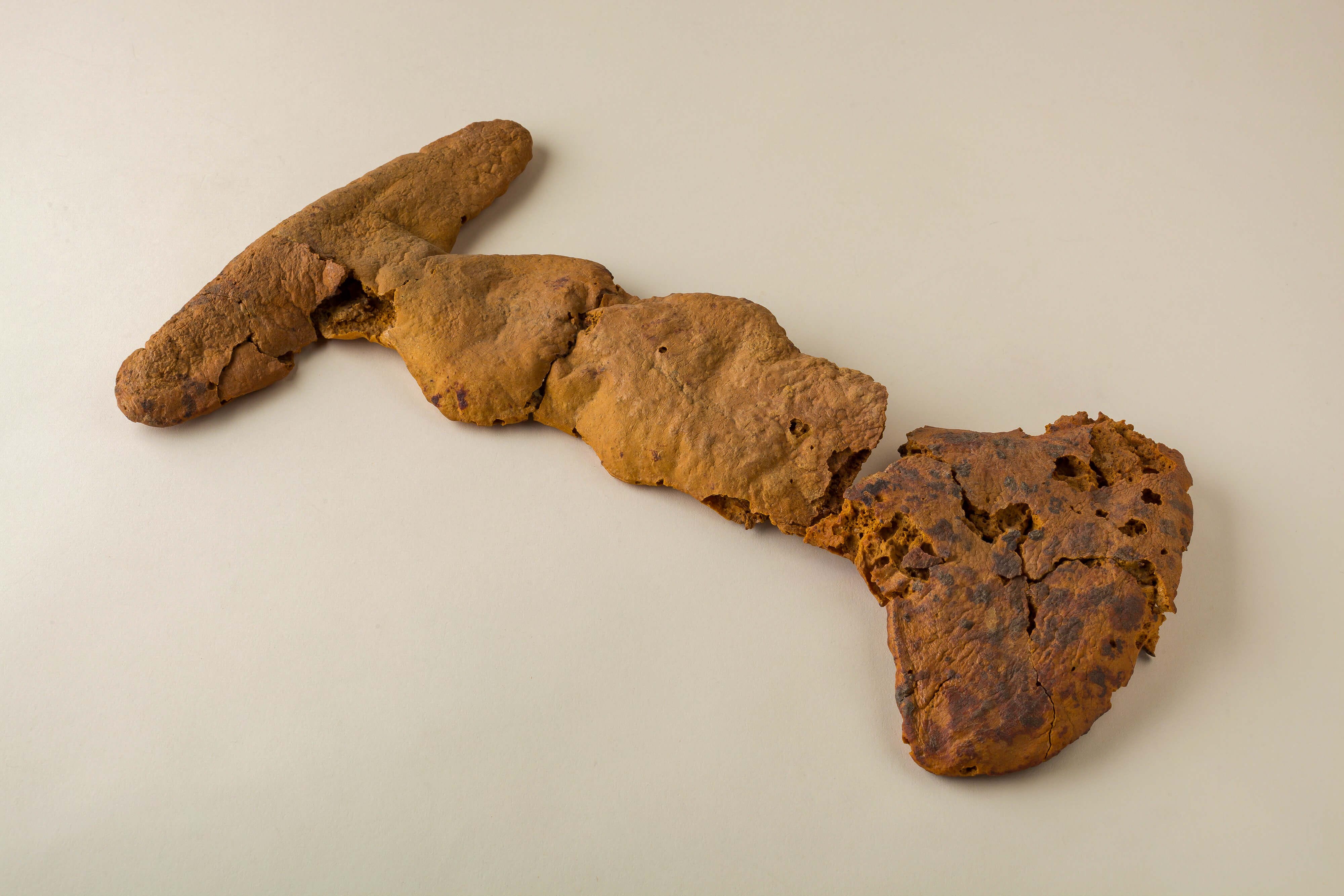
Around 1500 BC, sourdough bread was baked in Egypt
That sourdough bread was found near today’s Luxor as grave goods in the tomb of Hatnefer, mother of a high-ranking official. Fermentation wasn’t just for drinks — it shaped the daily bread.
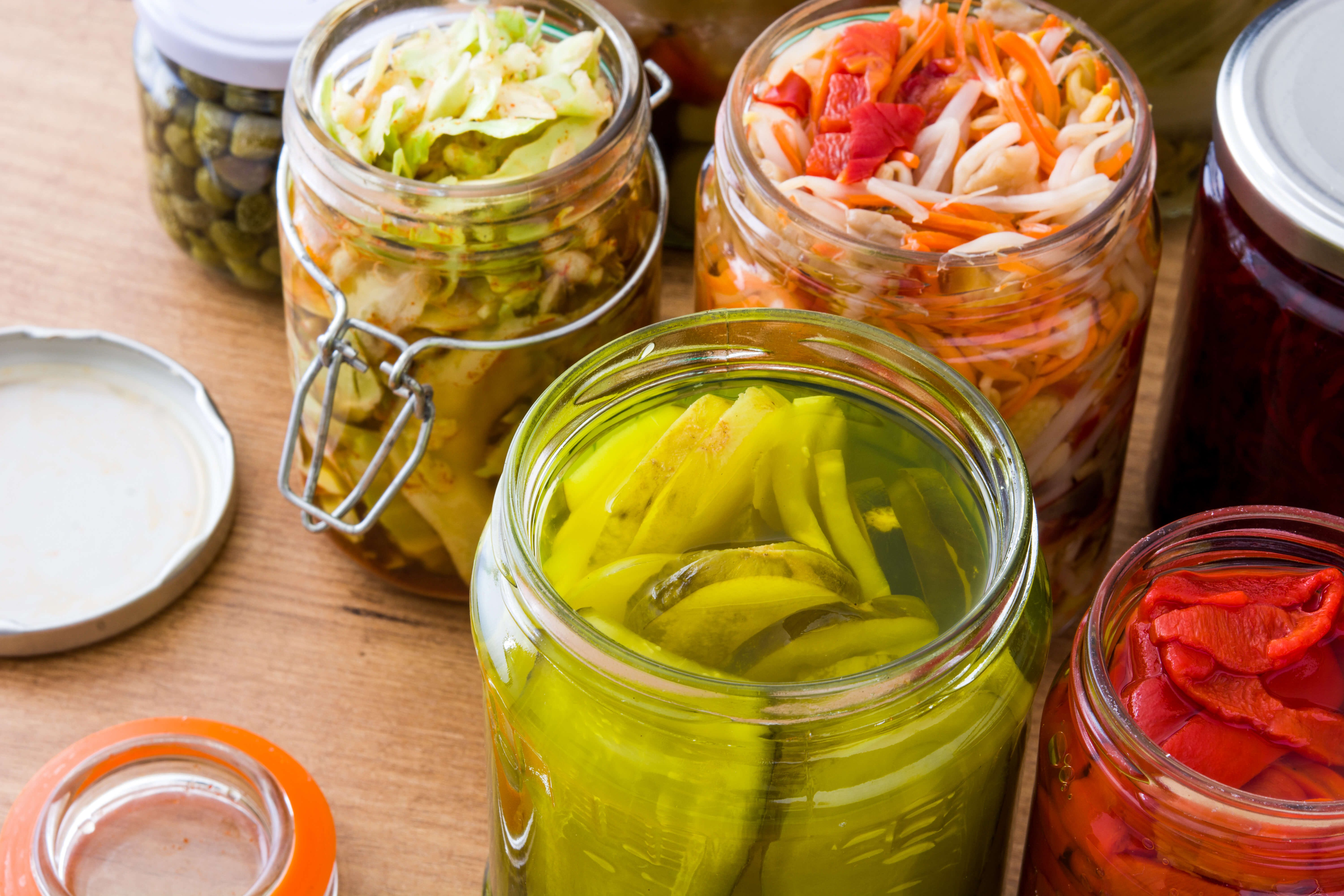
Same principle worldwide, different ingredients
The cultural logic of fermentation is the same everywhere — the raw materials aren’t.
In Europe and North America, cabbage becomes sauerkraut, milk turns into yogurt and cheese, grain into sourdough
In Korea, vegetables become kimchi
In Indonesia, soybeans become tempeh
In Africa and Latin America, grains and tubers ferment into porridge, drinks, and doughs
Everywhere, the same invisible helpers are at work, reshaping sugars and other compounds. Acids, alcohol, and carbon dioxide change the environment. Food lasts longer — and gains structure and depth.
Three fermentation paths, one guiding principle
There are three main fermentation paths, all followin’ the same idea: we don’t control microbes — we control their environment.
Lactic fermentation: naturally present lactic acid bacteria turn sugars into lactic acid in brine. The result is a sour, stable environment and crisp texture.
Alcoholic fermentation: yeasts and lactic bacteria work together in sourdough. Yeast makes gas, bacteria bring acidity and flavor. The bread gets lighter — and deeper — than industrial loaves ever manage.
Acetic fermentation: vinegar bacteria turn alcohol into acetic acid. Trickier business, since these bacteria need oxygen. Air, temperature, and cleanliness decide success or off-notes fast.
Three paths, one principle: salt, oxygen, temperature, and time are the dials. Turn ’em right, and raw food becomes shelf-stable and full of flavor.
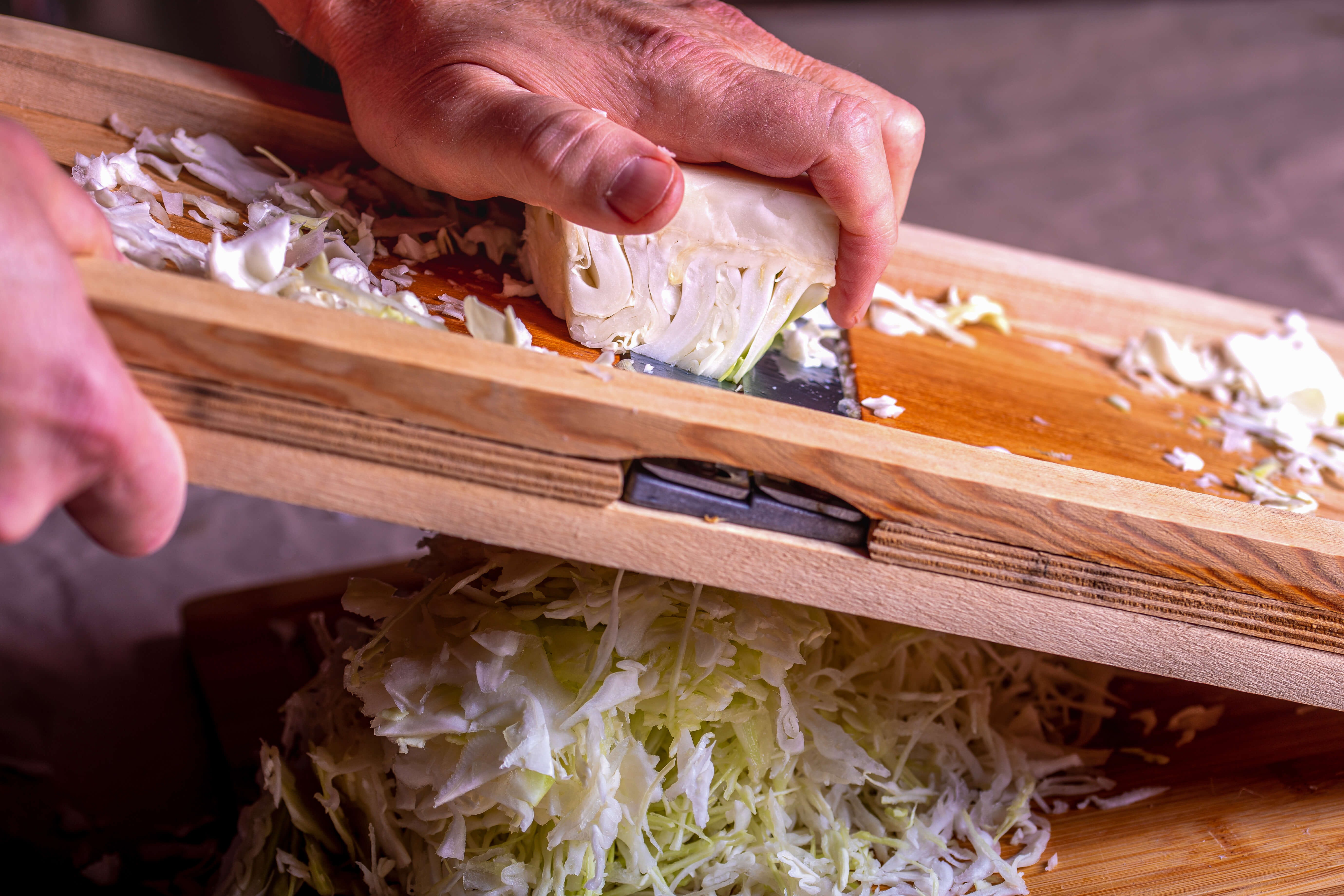
Fermenting in jars: cleanliness, safety, control
Fermenting looks harmless — cabbage, salt, jar, done. Most times, that’s true. But only if the rules are followed. Not because microbes are dangerous, but because fermentation only works when the right processes outrun the wrong ones.
Work clean: hands, knife, board, jar — all of it.
Keep everything under brine: anything pokin’ out invites mold and spoilage. Weightin’ things down is control.
Moderate temperature: too warm turns things soft and funky, too cold slows acid formation.
And one hard line: rotten smells mean stop. Spreading mold that sinks into the food, same deal. Kahm yeast is usually a quality issue — but it tells you air’s gotten involved.
Why fermentation is fun — and part of a food shift
Waitin’ feels strange in the kitchen now. We’re used to instant meals. With ferments, time is the key ingredient — and you can’t swap it out.
Fermenting is patience you can taste. Not mystical — practical. And that patience cuts waste. What’d spoil in the fridge becomes a staple in a jar.
A head of cabbage ain’t just food — it’s land, water, energy, transport, labor. Toss it, and you waste the whole value chain behind it.
Fermentation is a tool where consumers still have power: at home, in how we treat food, in understandin’ that shelf life doesn’t have to come from plastic and additives from E 100 to E 1520 attached.
Fermentation ain’t morality. It’s competence. And competence creates options — instead of trash.
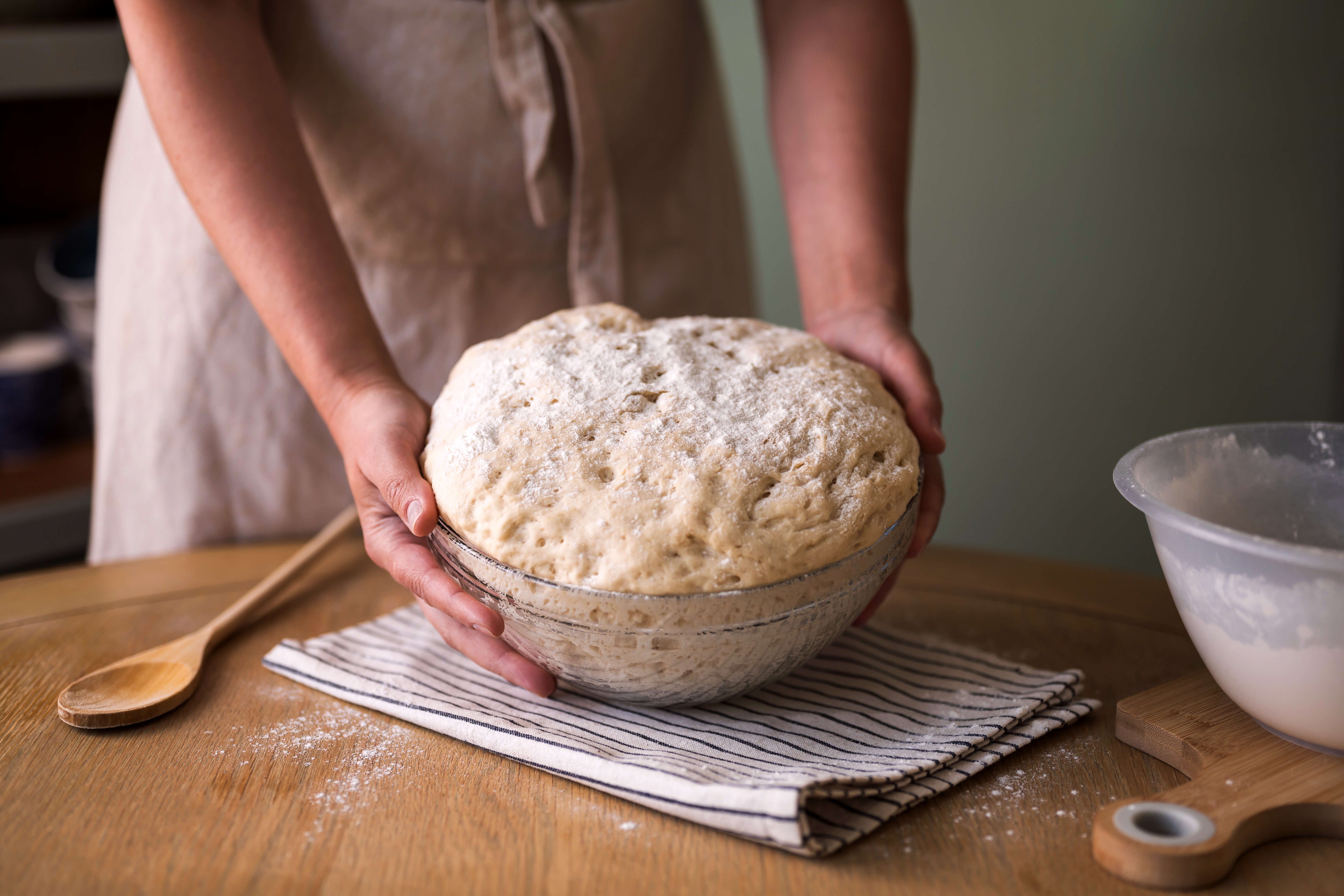
From sauerkraut to sourdough — what comes next
After the first jar, fermentation stops feelin’ like an experiment and starts feelin’ like a tool. Once you understand how salt, oxygen, temperature, and time shape the process, a whole world opens up.
Sourdough, for instance, ain’t a one-time thing. It’s a livin’ system that needs feedin’ and responds to climate and rhythm.
Over the next months, I’ll work my way forward: from sauerkraut to sourdough, from bread to legumes, from quick ferments to long ones. Not to master everything — but to understand what’s workin’ and how to steer it.
The sauerkraut jar is just the start. I spoon out a portion, let it drip a moment. First bite: crisp, sour, surprisingly clean. Not “store-bought,” but tighter, deeper, more alive.
What sounded like technique a minute ago is now just good food. I put the jar back in the fridge. There’s room next to it — for the next one.
All clear? Y’all agree, or you see it a little different? Drop your thoughts down below in the comments.
How to receive only the English-language newsletter.
Here, I’ll show you — plain and simple.
Full overview of the entire fermentation series: all articles on one page
