


Short & straight
Fermenting vs. pickling vs. canning: this guide explains the differences, mechanisms, and best uses in clear language.
Every preservation method works by pullin’ one of four levers: acidity, water availability, heat, or oxygen.
At the end, you’ll get a no-nonsense decision guide: which method works best for which vegetables, fruits, herbs, and sauces.
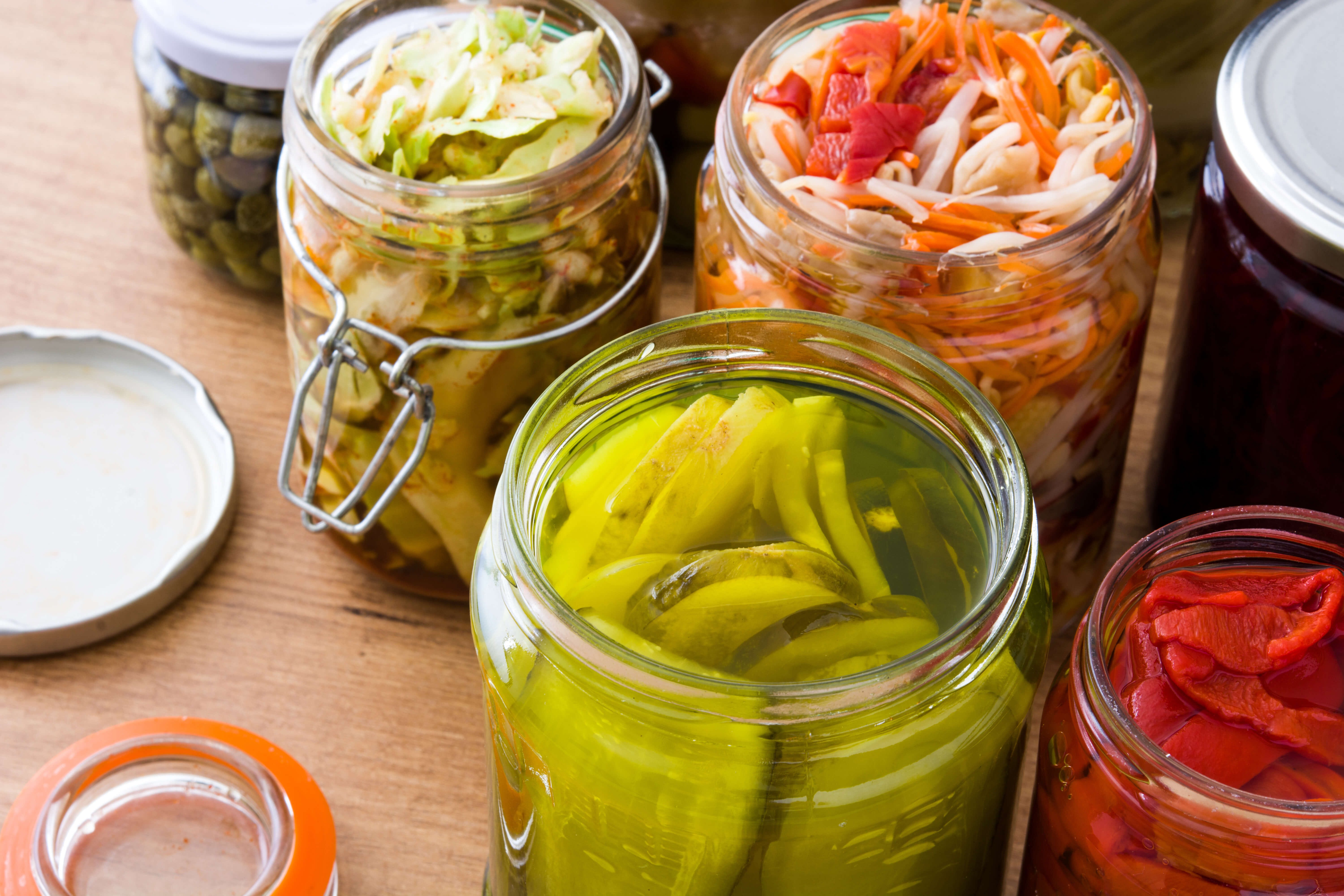
Three jars of preserved vegetables sit on my kitchen table — and each one runs on a completely different logic. In the first jar, microbes are doin’ the work. In the second jar, vinegar’s in charge. In the third, I hit the brakes with heat. From the outside they look the same. Inside? Three entirely different principles at work.
Fermenting, pickling, canning — The end result looks the same — and folks mix it up mighty quick. In Austria and Switzerland, “canning” is often used interchangeably with “putting up.” But technically, “putting up” is the umbrella term for preserving food in jars.
So let’s get clear.
Term: Method = Effect
Fermenting: You salt the food and create conditions where beneficial microbes take over, acidify or ferment it = the process preserves it.
Pickling: You place food in a brine (vinegar, saltwater, or sugar syrup). Acid, salt, or sugar preserve it = the environment preserves it.
Canning: You heat the sealed jar in a water bath or steam and reduce microbes = the heat reset preserves it.
How to receive only the English-language newsletter.
Here, I’ll show you — plain and simple.
Fermenting, Pickling, Canning. Three methods. Different levers.
Four Levers That Explain Everything: Acid, Water, Heat, Oxygen
There are four fundamental levers in food preservation. Understand these, and you’ll stop confusing methods with effects.
1. Acid
Many harmful microbes don’t like acidity. The more acid, the lower the pH. A low pH makes life uncomfortable for many spoilage and disease-causing organisms. Acid can develop naturally (fermentation) or be added (vinegar, citric acid).
Important: Low pH isn’t automatically safe. What matters is how low it is — and whether it stays that way.
2. Water Availability (Salt & Sugar)
Microbes need water. Salt and sugar bind water, making it less available for microbial growth. That’s why jam lasts longer. That’s why dried fruit is more stable than fresh fruit.
This isn’t guesswork — it’s about water activity (aw). You don’t have to measure it, but you should understand that high salt or high sugar preserve because they tie up water.
3. Heat
Heat is the reset button. It reduces microbial load and inactivates many enzymes that degrade quality. In canning, heat isn’t decoration — it’s the core principle.
4. Oxygen
Oxygen is mostly a surface problem in jars. Mold and kahm yeast form where air meets food — especially when vegetables stick above brine.
The real danger comes with low-acid foods (many vegetables, meats, fish) that are neither acidified nor properly heat-treated.
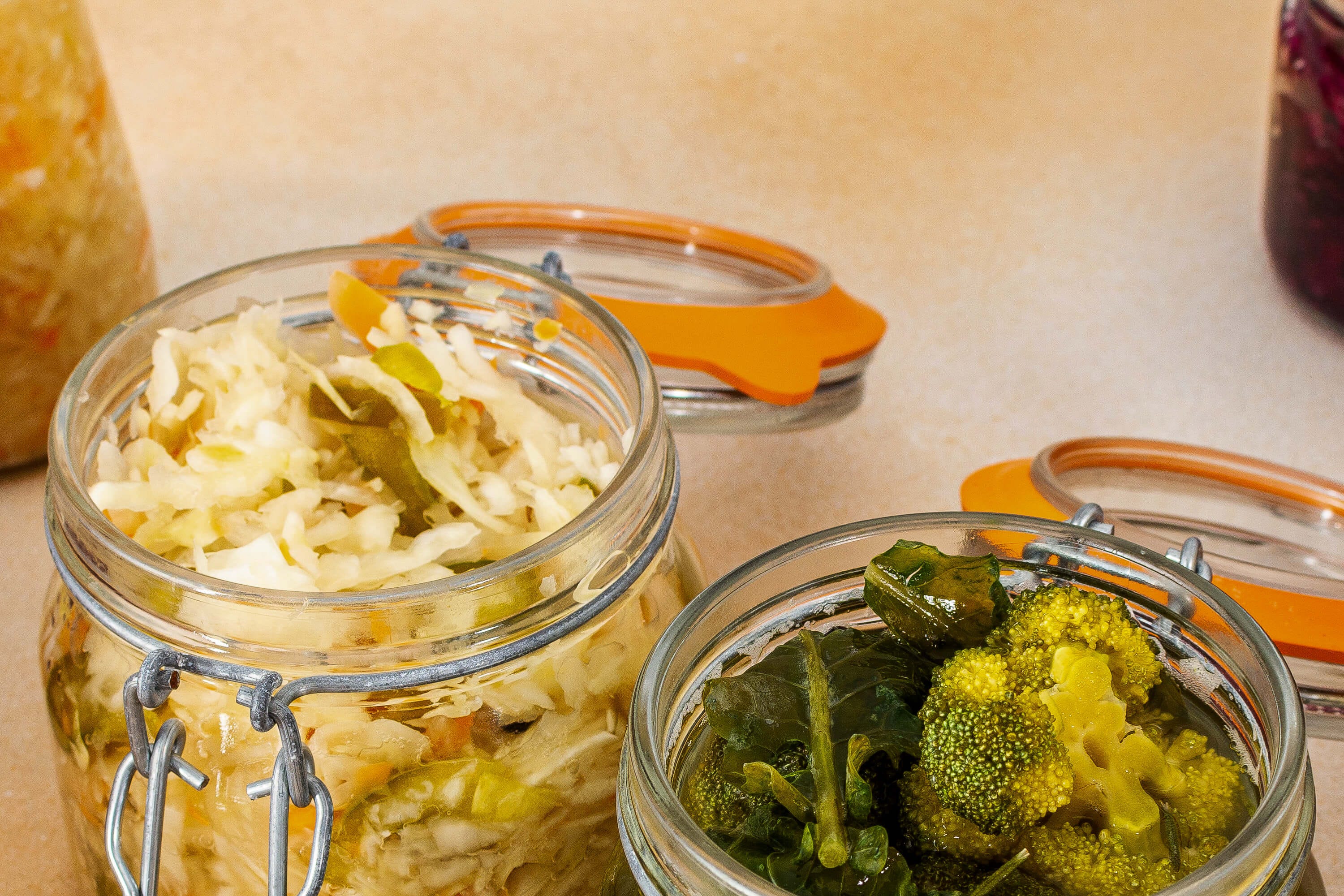
Acid, water, heat, oxygen. Those are the four levers that matter when you’re preservin’ food in a jar. Even though this series focuses strictly on fermentation, it helps to understand the other preservation methods too — because once you know the full picture, fermentation makes a whole lot more sense.
When You Ferment, Microbes Work for You
Fermenting doesn’t kill microbes — it guides them. You give beneficial organisms the upper hand so they change the environment in your favor.
That’s called “wild fermentation.” And it ain’t as wild as it sounds. “Wild” just means you’re working with the natural flora — usually lactic acid bacteria.
Fermentation works anaerobically (without oxygen). Salt slows down unwanted microbes. Lactic acid lowers the pH. The good microbes crowd out the rest.
Classic example: sauerkraut. Salt isn’t a disinfectant. It draws out juice, creates brine, slows bad actors, and favors salt-tolerant bacteria.
Signs of Successful Fermentation
Activity: bubbles, cloudiness, a soft pffft when opened.
Smell: fresh-sour, yeasty, alive.
Surface: everything stays under brine. Air invites mold and kahm yeast.
Taste: acidity develops. Not sour enough isn’t automatically dangerous — but it signals something may be off.
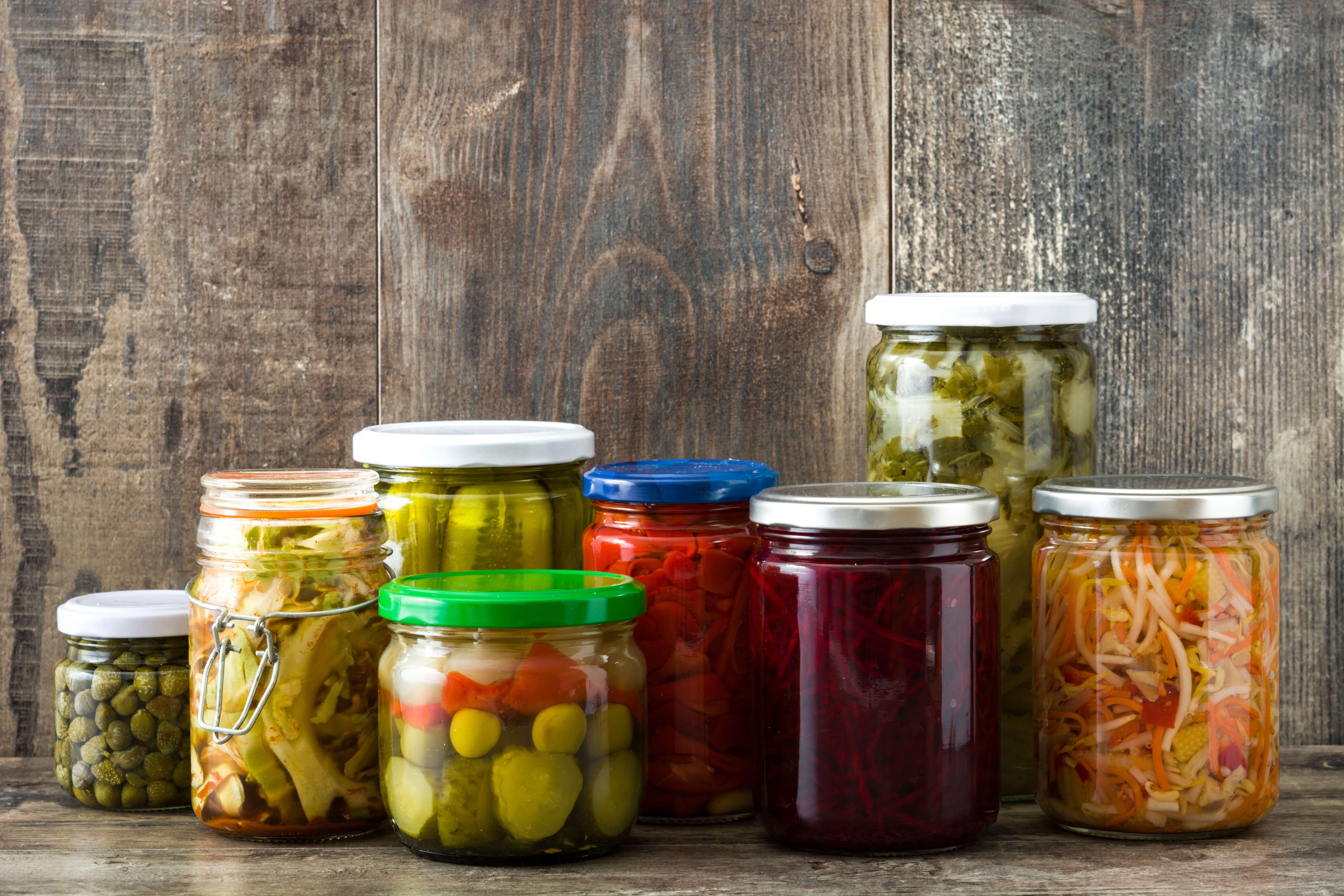
In fermentation, acid forms from within. In pickling (say, cucumbers in vinegar), acid comes from outside. That difference matters — in taste and in risk.
When You Pickle, You Create the Environment
Pickling means placing food into a preserving environment — usually vinegar, salt, sugar, sometimes combined with heat.
Preservation happens through acid (lower pH) or reduced water availability (lower aw) — often both.
Pickling works well when you want a stable result fast and enjoy sweet-sour flavor.
Vinegar Pickling
Vinegar is the shortcut to acidity. No waiting for microbes to produce acid — you add it directly. The ratio has to be right, and the acid has to reach everywhere it needs to work.
Sweet-Sour & Chutneys
Here you combine acid, sugar, sometimes heat. It’s robust — if done cleanly.
Salt Brine Without Fermentation
Vegetables in brine may ferment — but don’t have to. In the fridge for short periods (hours to a day), brine acts more like a marinade than a ferment. Cucumbers get crisp. Onions mellow. Cabbage softens. But only for a few days.
Oil Preservation
Oil creates oxygen-free conditions. That’s the problem. In low-acid foods (vegetables, meat, fish) that aren’t properly processed, C. botulinum can grow and cause botulism, which can be fatal. For that reason, I strongly advise against homemade oil preserves.
When You Can, You Hit the Brakes
Canning is the opposite of fermentation. You don’t let microbes work — you stop them. Heat reduces microbial load. An airtight seal keeps new microbes out.
Water-bath canning reaches up to 212°F (100°C). But spores of C. botulinum survive that. They require temperatures above 250°F (121°C), achievable only with pressure canning. Botulism is rare — but serious. Know the difference.
Other Methods
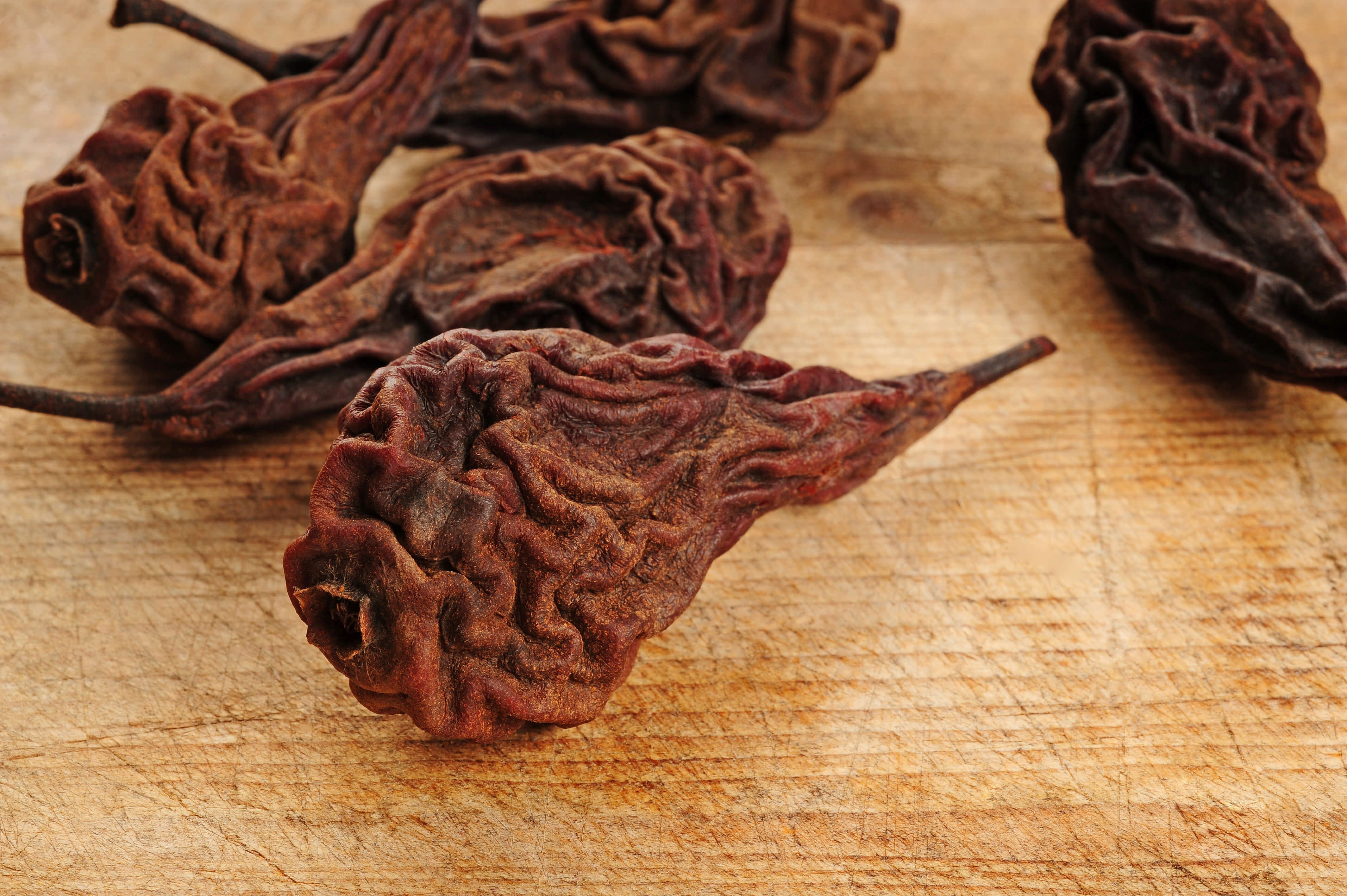
Air-Drying
Without water, microbes struggle. Properly dried foods (and stored dry) last a long time. Think dried fruit, legumes, jerky. Flavor often intensifies.
Curing (Dry or Wet)
Meat cured with salt (often with nitrite or nitrate added) develops deeper color and richer flavor as it air-dries.
Smoking
Smoke adds flavor and some antimicrobial effects. Usually combined with drying or curing.
Sugaring
High sugar binds water. Often combined with acid and heat — that’s why jam and jelly are reliable, if properly processed. Reduced-sugar recipes are less stable and should be refrigerated.
Refrigeration & Freezing
Cold slows things down. It doesn’t eliminate microbes — it hits pause.
Vacuum / Modified Atmosphere
Used mainly in industry. Oxygen reduction slows spoilage.
High-Pressure Processing (HPP)
Modern method using pressure instead of heat. Effective but expensive — mostly industrial.
So Which Method Should You Use?
If you want to stay on the safe side: start with reliable fermentation recipes.
Lots of vegetables, lively flavor: ferment (for depth) or vinegar pickle (for quick acidity).
Energy-saving preservation: ferment, dry, or cure/smoke (if experienced).
Maximum umami and acidity: ferment or smoke/dry.
Lots of fruit, long storage: sugar + canning, or freeze.
Herbs: dry or freeze.
Sauces and soups: freeze or can (depending on acidity).
Short time, pantry up to six weeks: vinegar pickle or ferment.
Very long cellar storage: can properly or dry thoroughly.
Mild acidity without strong ferment flavor: light vinegar pickle or short fermentation, then refrigerate.
All clear? Y’all agree, or you see it a little different? Drop your thoughts down below in the comments.
How to receive only the English-language newsletter.
Here, I’ll show you — plain and simple.
Full overview of the entire fermentation series: all articles on one page

So, when we vinegar pickle vegetables, we don't allow fermentation to happen. We just have an environment that allows food to be preserved for a long time. Did I get that right?